Long before Playa de San Juan became a beach destination, this stretch of coast was farmland, and the watchtowers that still dot the huerta today were built to spot pirate raids centuries ago. A bike ride connecting several of these towers is one of the most rewarding ways to see a quieter, greener side of Alicante, away from the sand, and it takes just half a day to complete.
A Landscape Shaped by Watchtowers
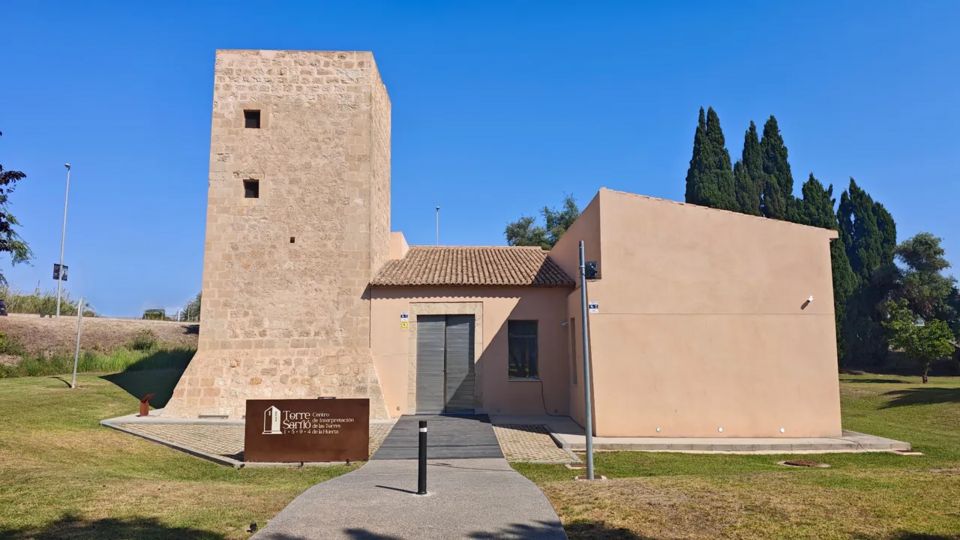
Dozens of these towers were built between the 15th and 17th centuries along the Alicante coastline and its farmland, forming a communication network to warn inland communities of approaching danger, usually from Barbary pirate raids along the Mediterranean coast. Several survive in good condition around the outskirts of Alicante and San Juan, now surrounded by orchards, greenhouses and quiet country lanes rather than fields under threat. Many are built from local stone and stand two or three storeys tall, with small windows designed for lookouts rather than comfort. A few have been restored by local heritage groups and occasionally open for guided visits, though most are best appreciated simply from the road or a nearby path.
The Route
A loop connecting the Torre del Rico, Torre de Sant Josep and a handful of smaller towers makes for a relaxed half-day ride of around 20 to 25 kilometres, almost entirely on flat farm roads and dedicated bike paths. Starting from Playa de San Juan, head inland through the huerta rather than along the coast, and you’ll quickly swap beach bars for citrus groves and vegetable plots. The route can easily be shortened or extended depending on how many towers you want to see and how much time you have.
- Distance: approximately 20-25 km round trip.
- Difficulty: easy, mostly flat terrain.
- Best for: hybrid or road bikes; a mountain bike is not necessary.
- Ideal time: early morning, especially in summer, to avoid the midday heat.
What You’ll See Along the Way
Beyond the towers themselves, the route passes traditional huerta houses, irrigation channels still used today, and small family-run plots growing artichokes, citrus and leafy greens depending on the season. It’s a striking contrast to the tourist-facing beachfront just a few kilometres away, and a reminder of how recently this whole area was purely agricultural. Look out for traditional irrigation ditches, known locally as acequias, which still channel water across the fields much as they have for centuries.
Practical Notes
Bike rental shops are available in central Alicante and near Playa de San Juan, with hybrid bikes being the most practical choice for this route. Bring water, as shaded rest stops are limited once you’re away from the coast, and check tower access in advance, since some are on private agricultural land and can only be viewed from the road. A basic printed or offline map is useful too, since the network of small farm roads can be confusing without one.
Combining It With Other Plans
Because the route starts and ends near Playa de San Juan, it pairs naturally with a beach morning or afternoon on either side of the ride. Riders who enjoy this kind of quiet, rural cycling may also want to look at the Via Verde del Maigmo for a longer, hillier alternative further inland.
The Best Time of Day and Year
Because the route offers very little shade once you leave the immediate coastal area, starting early in the morning is the most comfortable option for most of the year, and essential during the summer months when temperatures inland can climb noticeably higher than on the breezy coast. Spring is particularly rewarding, when citrus trees are often in blossom and the fields are at their greenest, while autumn brings harvest activity that adds another layer of interest for anyone curious about how the huerta actually functions as a working agricultural landscape rather than simply a scenic backdrop.
A Slower Way to See the Huerta
Driving through this same area tends to compress the huerta into a blur of greenhouses seen from a main road, whereas cycling at a gentle pace allows details to register that would otherwise be missed entirely: the sound of water moving through an acequia, the specific crop growing in a given plot, or an elderly farmer tending a small parcel by hand much as previous generations would have done. For visitors interested in how this region actually functions beyond its beaches, this route offers a far more honest picture than any postcard of the coastline.
Frequently Asked Questions
Is this route suitable for children? Older children comfortable riding 20+ km on flat terrain should manage it well; very young children may find it long.
Can I visit the towers up close? Some are on private land and only visible from the road, so check access before planning to go inside.
Is the route well shaded? Not particularly, since it runs mostly through open farmland, so an early start is recommended in the warmer months.