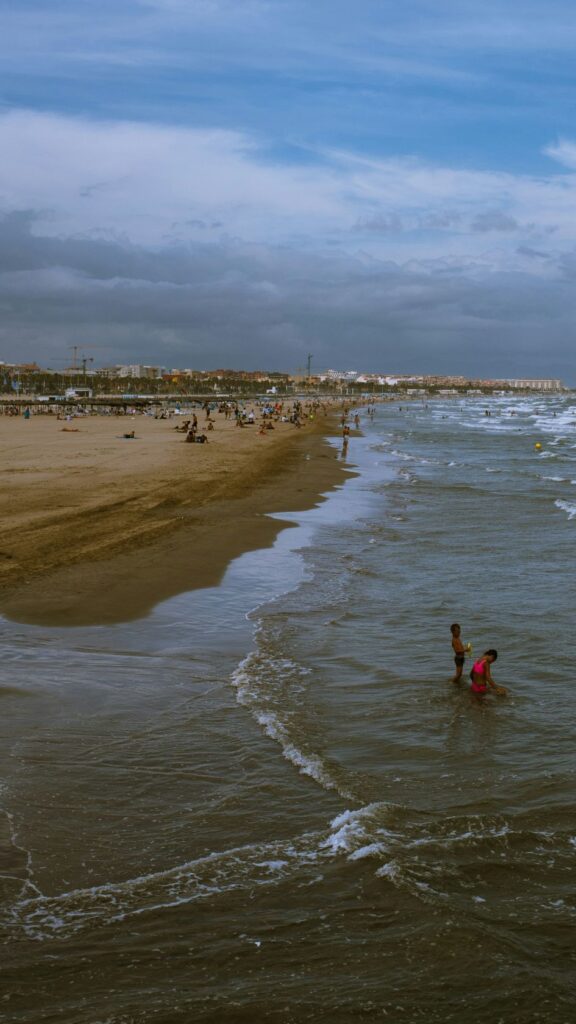
With nearly seven kilometres of coastline and generally calm conditions, Playa de San Juan is a great place to try water sports for the first time, or to keep up a regular practice if you already have experience. Here’s what’s on offer and how to get started, whatever your level, from a first taste of paddle surf to more demanding disciplines like windsurfing.
Paddle Surf (SUP)
Stand-up paddle boarding is probably the most beginner-friendly option on this coast. The water along Playa de San Juan is usually calm, especially in the morning before any wind picks up, making it easy to find your balance. Several beachfront operators rent boards by the hour or offer short taster classes for complete beginners, and many also organise early evening SUP sessions timed to catch the sunset over the water.
Kayaking
Kayaks are widely available for rent along the promenade and are a great way to explore the coastline from the water, including getting a closer look at the rockier stretches near Cabo de las Huertas that are harder to appreciate from the sand. Tandem kayaks are a popular choice for parents wanting to bring a child along without them needing to paddle solo.
Windsurfing and Kitesurfing
When the wind does pick up, typically in spring and autumn, Playa de San Juan sees a fair number of windsurfers and kitesurfers, particularly toward the northern end of the beach. A few local schools offer lessons and equipment rental for both disciplines, though beginners should expect a steeper learning curve than with paddle surf or kayaking, and several sessions are usually needed before you can ride independently.
- Best for total beginners: paddle surf or kayak, both manageable in calm morning conditions.
- Best when it’s windy: windsurfing or kitesurfing, mainly spring and autumn.
- Best for families: tandem kayaks or beginner SUP sessions with an instructor.
Diving and Snorkelling
The rockier coves around Cabo de las Huertas offer better visibility and more to see than the sandy main beach, making them a popular spot for snorkelling. A few dive centres in the wider Alicante area organise guided dives further along the coast for those with certification, often visiting small underwater reefs and the occasional wreck within reasonable boat distance.
What to Wear and Bring
A rash guard or light wetsuit top is useful outside the height of summer, when sea temperatures drop enough to make an hour on the water feel cold without one. Reef-safe sunscreen is particularly important for water sports, since you’ll be exposed to reflected sun off the water for extended periods.
Getting Started
You don’t need to bring any of your own equipment. Rental shops and schools along the Playa de San Juan promenade offer everything from single-session rentals to multi-day courses, and most operate seasonally with longer hours from late spring through early autumn. Booking a beginner lesson a day or two in advance is generally enough, except during the busiest weeks of August.
Safety and Local Regulations
Swimming and water sport zones are generally marked with buoys along Playa de San Juan to keep motorised craft, swimmers and paddle-based activities safely separated, and lifeguards on duty in season can advise on conditions if wind or current picks up unexpectedly. Renting equipment from an established local operator rather than bringing your own for a first attempt is usually the safer choice, since staff will typically flag any local conditions worth knowing about that day, from unusual currents to a temporary increase in boat traffic near the marina.
Progressing Beyond a First Lesson
Visitors who enjoy their first taste of paddle surf, kayaking or windsurfing on Playa de San Juan and want to keep improving over a longer stay will find most local schools offer multi-day packages that build on each previous session rather than repeating the same beginner content. This progression usually moves from basic balance and control in calm water toward simple manoeuvres and, eventually, handling slightly choppier conditions, so a week-long stay is often enough to go from complete beginner to reasonably confident on flat water, particularly with paddle surf and kayaking.
Frequently Asked Questions
Do I need experience to try paddle surf? No, most people can stand and paddle within their first session with basic instruction.
Is snorkelling good directly on Playa de San Juan? The sandy main beach offers little to see; the rocky coves near Cabo de las Huertas are far better for snorkelling.
What is the best time of year for water sports here? Summer offers the warmest water, while spring and autumn bring more consistent wind for windsurfing and kitesurfing.
Can I rent equipment without booking a lesson? Yes, most operators rent paddle boards and kayaks by the hour without requiring a class, though a short briefing is usually included.
Are life jackets provided? Yes, reputable rental operators include a life jacket as standard with any kayak, SUP or windsurfing rental.