Most visitors head to Playa de San Juan for the sand, but right on its doorstep sits one of the most important archaeological sites on the Costa Blanca: Lucentum, a Roman city whose ruins are still being uncovered on the Tossal de Manises hill, just steps from the beach. It is one of the easiest ways to combine history with a beach holiday anywhere on this coast, and it costs little more than the time it takes to walk up the hill from the sand.
A City Older Than Alicante Itself
Lucentum was founded in the 1st century BC and is widely considered the direct predecessor of modern Alicante; in fact, the city’s name is thought to derive from Lucentum, meaning «city of light». It grew into a fortified Roman municipality with paved streets, a forum, thermal baths and residential districts, before gradually declining and eventually being abandoned in favour of the site of present-day Alicante, likely due to the harbour there offering better shelter for ships.
What You Can See Today
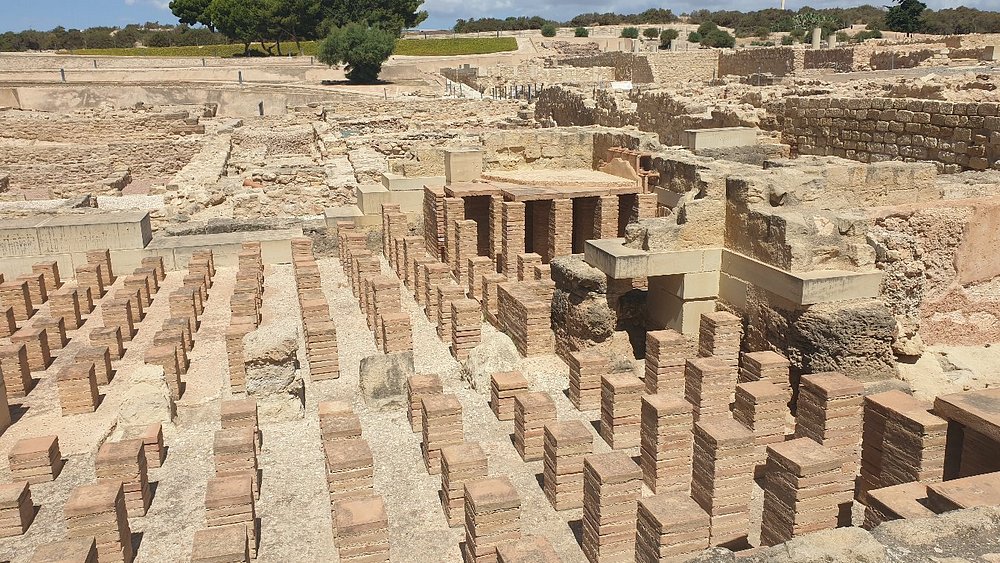
- The layout of Roman streets and building foundations, still clearly visible underfoot.
- Remains of the thermal baths complex.
- Sections of the old defensive walls surrounding the settlement.
- Panoramic views over Playa de San Juan and the bay of Alicante from the hilltop site.
- Remnants of residential quarters that hint at how ordinary Roman citizens lived here.
Visiting Lucentum
The site is managed by the MARQ, Alicante’s archaeological museum, and is generally open with reduced hours outside peak season, so it’s worth checking opening times before visiting. Entry is inexpensive, and information panels around the site explain the layout and history of the different sectors in several languages. A visit typically takes 45 minutes to an hour if you read the panels and walk the full site.
Combining It With a Beach Day
Because Lucentum sits right at the western edge of Playa de San Juan, it’s easy to combine a visit with a morning or late afternoon at the beach. Plan the ruins for when the sun is less intense, since there’s little shade on site, and save the water and sand for the hottest part of the day. Comfortable shoes are worth wearing, as the ground is uneven in places.
A Bit of Context: The MARQ Museum
For anyone who wants more depth than the on-site panels provide, Alicante’s MARQ museum downtown holds many of the artefacts recovered from Lucentum, along with wider exhibits on the region’s archaeological history. Visiting both the ruins and the museum on different days of the same trip gives a fuller picture of how the ancient city actually functioned.
Why It Matters
For a beach town that can sometimes feel entirely modern, Lucentum is a reminder that this coastline has been valued for thousands of years, long before sunbeds and beach bars arrived. It’s one of the easiest ways to add a bit of history to an otherwise beach-focused trip, without needing to leave Playa de San Juan at all.
Other Roman Remains in the Area
Lucentum is not the only trace of the Roman and pre-Roman past around Alicante, and visitors with a deeper interest in archaeology can extend their exploration to other sites documented by the MARQ, including remains scattered across the wider province that speak to a long history of settlement along this coast. Even without visiting every site, understanding that Lucentum sat within a broader network of Roman towns and trade routes along the Mediterranean helps explain why the location was chosen in the first place, close enough to the sea for trade but elevated enough to defend.
What Ongoing Excavation Means for Visitors
Because archaeological work at Lucentum has continued for decades and is still not fully complete, the areas open to the public have gradually expanded over the years, and it is entirely possible that new sections will be uncovered and opened in the future. This ongoing status is part of what makes the site feel genuinely alive rather than a static museum piece, and checking current information before a visit is worthwhile if you have visited before, since access and interpretation panels are occasionally updated as research progresses.
Frequently Asked Questions
Is Lucentum suitable for children? Yes, though the appeal is greater for kids already curious about history; the site is short enough not to overwhelm younger visitors.
Is there shade on site? Very little, so visiting outside peak midday heat is recommended.
How much time should I set aside? Around 45 minutes to an hour is enough to see the main features and read the information panels at a relaxed pace.
Is there an entry fee? Entry is inexpensive, and combined tickets with the MARQ museum in central Alicante are sometimes available for visitors who want to see both.
Is the site fully wheelchair accessible? Parts of the site are uneven underfoot due to the nature of the ruins, so mobility should be considered before visiting.